 GlimmerGirl Games
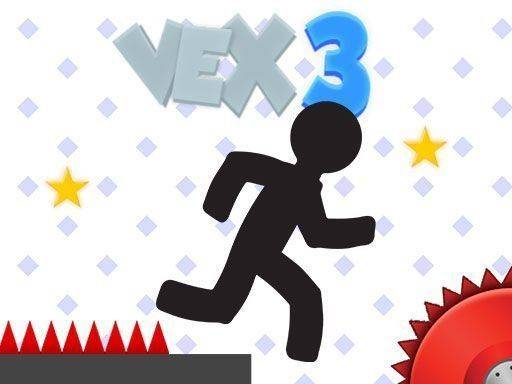
Vex 3 Precision Platformer refines the series' formula with responsive controls and increasingly complex obstacle courses. The focus on timing and pattern recognition makes it satisfying for players who enjoy precision challenges, while automatic saving keeps frustration low. The minimal art style keeps attention on gameplay, though the difficulty may deter those seeking a relaxed experience. It is best suited for platformer fans who appreciate retrying sections until they achieve a clean run.
Vex 3 Precision Platformer puts you in direct control of a stick figure navigating a series of obstacle courses. Each stage is built around a clear exit, but the path there is lined with spikes, saws, and moving platforms that demand precise timing. The game is the third entry in the Vex series, and it refines the controls and level complexity of its predecessors. A minimal art style keeps your focus on the action rather than visual distractions.
You move using keyboard arrow keys or on-screen controls. The character can run left and right, jump, and slide by pressing down while running. Sliding lets you pass under low obstacles, while jumping clears gaps and hazards. Ropes appear in some sections, and swinging on them requires you to release at the right moment to land safely. Every action is responsive, so success depends on your reflexes and your ability to read each obstacle pattern.
Levels are divided into distinct areas, each introducing new obstacle arrangements. Moving platforms and saws follow predictable patterns, so you can learn their timing through repetition. The game saves your progress automatically, which means you can retry difficult sections without starting over. Hidden areas are scattered throughout the stages, rewarding exploration with potential shortcuts or collectibles. Additional challenge modes give you specific goals, such as finishing levels quickly or completing them without taking damage.
Patience matters more than speed when you first encounter a new obstacle. Watching how a saw or platform moves before you commit to a jump often saves a retry. The slide move is useful not just for ducking under barriers but also for maintaining momentum through tight corridors. Because progress saves automatically, you can practice a single tricky section repeatedly until the timing feels natural. The game works well for short sessions, but longer practice runs help you internalize the rhythm of each stage.
Sign in to comment
You must be logged in before posting a review or rating.
No comments yet. Be the first to comment!




Editorial Notes