 GlimmerGirl Games
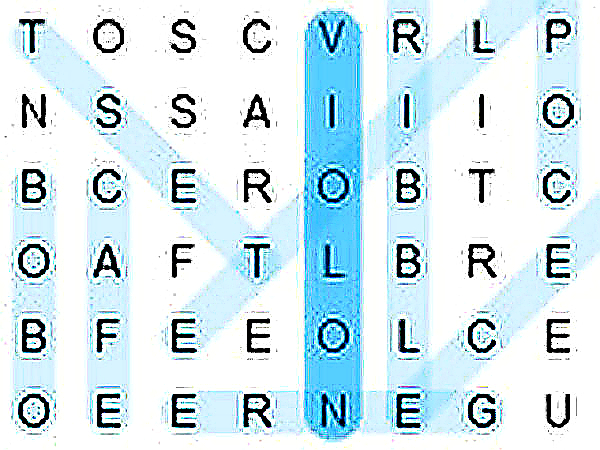
Word Search Grid Puzzle delivers exactly what its name suggests: letter grids, hidden words, and a drag-to-mark control scheme. Its strengths are clarity and accessibility. Words run in any direction, themed categories keep vocabulary varied, and the countdown timer encourages efficient scanning without becoming punishing. The shared-letter mechanic, where available, rewards players who notice overlapping placements. It suits casual players, families, and anyone using word games for light educational practice. The main limitation is inherent to the format: players seeking narrative or complex progression will find it minimal.
Each round presents a grid of letters alongside a list of target words. Your task is to locate every word on that list. Words are arranged in straight lines—horizontally, vertically, or diagonally—and they can read forward or backward. This directional flexibility means you cannot rely on scanning left to right alone; you must check every angle. Once you spot a word, you select its first letter and drag to the last letter to mark it as found. The game then confirms the match with clear visual feedback.
To keep rounds from feeling identical, the game organizes its word lists into themed categories such as animals, foods, and colors. Each category draws from its own vocabulary set, so switching themes changes what you are looking for and how quickly you can recognize familiar terms. This design supports both casual play and educational use, letting players rotate through topics to broaden word recognition over time.
A countdown timer runs during each round, pushing you to scan efficiently and decide quickly. The time limit is generous enough for careful searching but tight enough to create mild urgency. Finish a round before time expires, and you unlock new grids and categories. That progression gives each completed round a purpose beyond the immediate puzzle, rewarding both speed and accuracy without demanding either to an extreme.
Some versions of the game allow a single letter to belong to more than one word. When that happens, the grid becomes a small logic problem: overlapping placements mean that finding one word can reveal part of another. You start watching for intersections rather than treating each word as an isolated search. The mechanic adds a layer of planning to an otherwise straightforward format, which suits players who want a mild mental challenge without complex rules.
The game runs on desktop computers and mobile devices, with touch controls tuned for tablets and phones. Dragging across the grid works the same way on a touchscreen as it does with a mouse, and the interface stays clean and uncluttered. Clear visual feedback confirms each found word, so players of all ages and technical comfort levels can pick it up without frustration.
Sign in to comment
You must be logged in before posting a review or rating.
No comments yet. Be the first to comment!




Editorial Notes