 GlimmerGirl Games
GlimmerGirl Games
GlimmerGirl Games
Caring for Nazare stands out for its focus on emotional learning. The scenarios feel authentic, and the feedback system encourages thoughtful choices rather than quick answers. It is short but impactful, making it a great conversation starter for families. The lack of pressure or failure states allows players to explore kindness at their own pace. A refreshing change from fast-paced games.
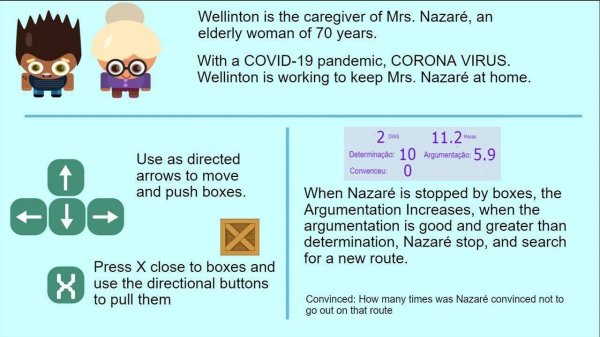
Players take on the role of a supportive companion to Nazare, a spirited woman who once excelled in athletics. Her strong past leads her to underestimate current health risks. The game presents realistic scenarios where Nazare wants to go out—perhaps to run an errand or meet a friend. Each situation requires the player to choose a response that gently encourages her to stay safe at home. Success depends on reading her mood and selecting words that show care without confrontation.
The gameplay relies on simple point-and-click interactions. When a scenario begins, the player sees several possible replies or actions. The right choice is not always obvious, and Nazare’s reactions provide clues. If she seems frustrated, a softer approach works better. If she is cheerful, a lighthearted suggestion may help. This system rewards emotional intelligence and adaptability, making each playthrough feel personal and meaningful.
The narrative is the heart of the experience. As players guide Nazare through various days, they learn about the importance of protecting vulnerable individuals during health challenges. The story corrects misconceptions about invincibility based on past strength. It does so gently, through conversations and small victories. Families can use these moments to discuss real-world topics like empathy, patience, and community responsibility in a safe, engaging context.
Controls are straightforward, requiring no prior gaming experience. The interface is clean, with clear visual cues and text. Scenarios are designed to be understandable for children yet meaningful for adults. This makes the game a valuable tool for intergenerational play, where parents and kids can solve problems together. The pacing is relaxed, allowing time for reflection and discussion after each decision.
Players can revisit scenarios to see how different choices lead to different outcomes. This encourages experimentation without pressure. Over time, the game builds a deeper understanding of how patience and kindness can influence someone’s willingness to accept help. The focus is always on positive communication, reinforcing the idea that caring for others is a skill that can be practiced and improved.







Comments
Sign in to comment
You must be logged in before posting a review or rating.
No account? Create one
No comments yet. Be the first to comment!