 GlimmerGirl Games
GlimmerGirl Games
GlimmerGirl Games
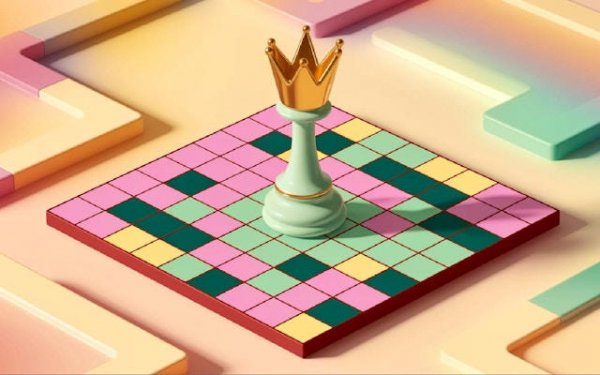
Crown Grid Deduction stands out for its serene approach to logic puzzles. The gradual difficulty curve ensures you never feel overwhelmed, while the clean visuals and lack of timers create a truly stress-free experience. Each puzzle feels like a satisfying mini-mystery, and the deduction process is both engaging and accessible. It is an excellent choice for anyone seeking a mindful break from fast-paced games.
Each puzzle presents a grid with pre-placed clues that hint at where crowns should go. The rule is simple: a crown threatens only the eight squares immediately around it, similar to a king’s movement in chess. Using these clues, you deduce the correct positions for all crowns. There is no time pressure, so you can think through each step carefully. The satisfaction comes from logically eliminating impossible spots and confirming the right ones.
The interface uses clean, colorful graphics that are easy on the eyes. Soft background tones and subtle sound effects create a peaceful environment. The design avoids clutter, letting you focus entirely on the puzzle. This makes it suitable for both short breaks and extended play without causing visual fatigue.
Puzzles start with small grids and few clues, allowing new players to grasp the mechanics quickly. As you advance, grids grow larger and clues become more subtle, requiring deeper logical reasoning. The progression feels natural, with each new challenge building on skills learned earlier. There is no sudden jump in difficulty, so you always feel capable of solving the next puzzle.
Because there are no timers or score multipliers, you can pause and resume whenever you like. This makes the game ideal for commutes, waiting rooms, or winding down before bed. The lack of pressure encourages thoughtful analysis rather than rushed guesses. Each puzzle can be solved in one sitting or spread across several sessions.
No prior knowledge of chess or advanced logic is required. The rules are explained through simple tutorials, and the interface is intuitive even for younger players. Adults will appreciate the mental challenge, while children can enjoy the colorful visuals and straightforward gameplay. This broad appeal makes it a good choice for family game time.
Start with the most restrictive clues—those that leave few possible positions. Use the process of elimination to mark squares that cannot hold a crown. If you feel stuck, step back and look at the board from a fresh angle. Regular practice sharpens your logical thinking, and each solved puzzle builds confidence for harder ones.


Comments
Sign in to comment
You must be logged in before posting a review or rating.
No account? Create one
No comments yet. Be the first to comment!